
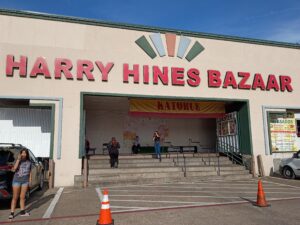

The Rio Grande Reader was conceived in Dallas, Texas, some years ago as layoffs struck the newspaper industry and some of us explored alternative paths. The idea was to show the nation the impact of a growing Hispanic population and how the dynamics of migration were reshaping our communities.
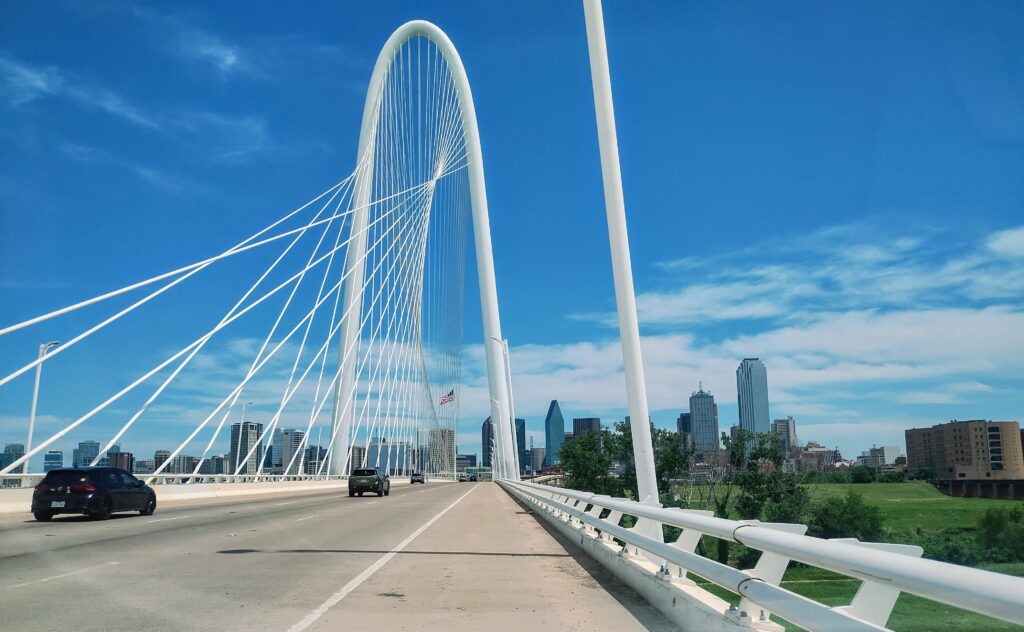
Dallas County’s Parkland Hospital was reporting a record number of births, with most babies being born to Hispanic moms. Immigrant workers were the backbone of a booming North Texas construction labor force. The Dallas Independent School District was sending recruiting specialists to the Mexican border and Puerto Rico to fill the demand for bilingual teachers in its classrooms. And immigrants from Mexico, Honduras and El Salvador who found success in the Metroplex formed community organizations to help new arrivals navigate life in the United States.
A decade later, migration flows have slowed but millions of immigrants remain in the country. With their U.S.-born children in school or having joined the labor force, with house payments due and essential jobs to perform in their community, these immigrants aren’t leaving the anytime soon. Further, Hispanic professionals have carved leadership roles in our communities and hold views more diverse than you would imagine. About third of Latino registered voters in Texas voted Republican in the last few statewide elections.
With millions of newly arrived migrants crossing the border and proceeding inward – and with Mexican drug cartels flooding the country with fentanyl – it has become fashionable for politicians to say every U.S. state is now a border state. But those of us living on the border know that has been true for a long time.
So, from the heart of the Metroplex to the Mexican border to small communities in rural New Mexico and suburban Arizona, we hope to bring you people and perspective stories to better explain the border and its dynamics to an American public that seems to only recently have acknowledged it exists.
— Julian Resendiz