



Fame is fleeting. Leave the spotlight of TV or the corporate website and nobody will remember you in six weeks. The thousands of social media followers who seemed so loyal to your content will look elsewhere once a new reporter or anchor takes over and the company halts web pushes to your stories.
It’s an inevitable cycle in the news media. Or is it?
Something I learned in four decades in newspapers, websites and television is a few things will keep you afloat in an industry that chews through idealistic young men and women like a lawnmower on grass.
First and foremost, there’s the quality of your work. There is no substitute for driving out to the community and talking to people about the things that are important to them and those that make their blood boil. It could be the potholes on their street, drivers that speed through school zones, unkept parks or the politicians at city hall too eager to commit to pie-in-the-sky projects you will end up paying during the next 30 years. On the U.S.-Mexico border, it could be outrage over the treatment of migrants, or an entire city’s frustration over corruption and drug cartels operating with impunity.
It’s alright to be angry at the things that make your audience angry.
That is where it all starts. You have to do this before showing up at the news meeting. Saying that you saw something on X or TikTok or a rival station and you’d like to check it out is not good enough.
Follow your lead with solid interviews and reporting and write your script or story with a critical eye. Am I being objective? Did I really push for a response from the government official or the bad neighbor involved? How am I going to follow up on this controversy? If it was important to raise the issue, it’s just as important to see it to its natural conclusion.
It’s satisfying to see how your reporting empowers your audience and maybe leads to things getting fixed or to politicians’ or corporations’ pet projects being held to accountability. You would think this approach to your work might be enough to keep your job safe, earn you respectability in a very competitive profession and maybe a good pay raise next year. Unfortunately, it is not.
Universities are constantly churning out your replacement and companies always will observe their bottom line. They are businesses. They will go on with or without you.
It’s a hard pill to swallow for those who are trying to make this a better world. So, what are you to do?
Some of the most successful journalists I know have something in common that has helped them stay in the public eye for many, many years — even after changing employers willingly or not. They talk about their work.
The brand called ‘You’
There was a time journalists spent their entire career with the same company and job security largely consisted on showing up every day and keeping their immediate boss happy. When you had to change cities your previous employer’s reference and a decent interview usually got you a new position. That was when newspapers thrived and television audiences grew. Then came cable, the internet and streaming. Then came layoffs, downsizing and outsourcing.
Now the challenge in finding a job or reaching tor a new position is not so much who you know but who knows you.
In his book “The brand called you,” Peter Montoya stresses the importance of anyone in business or the job market of developing and promoting a public persona. In the world of journalism, this means not just sharing your best stories on social media but also talking about the journey; how the story came together and what obstacles you faced. It’s important to “humanize” your posts rather than just sharing a link. Check your company’s policies to see if they allow you to talk about those stories on an interactive podcast where you can engage with the public and really get your name out there.
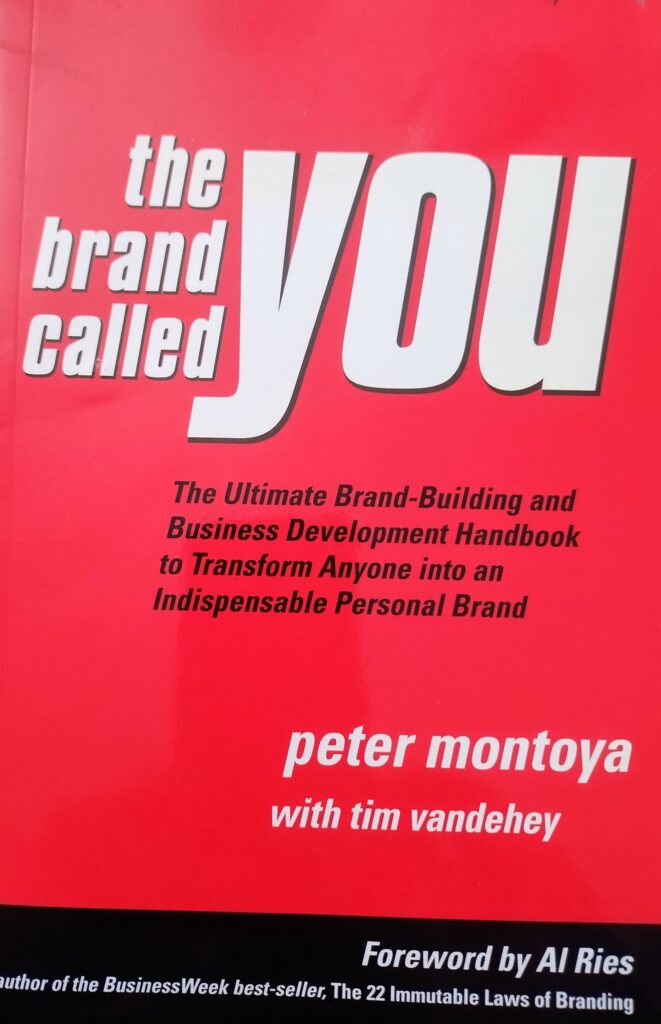
When you do this, the audience will know you as more than a face on channel XYZ who likely will be gone in a couple of years. When you do this, you are taking control of your personal brand. That brand will stick with your readers/viewers and transcend employers.
Your social media handle plays a part in this, too. Most of us who have worked for border news outlets have interviewed distressed migrants or seen Border Patrol pull bodies from El Paso canals.
I have dodged bullets in police shootouts in Juarez and reported from colonias where severed heads were left in public parks. I have passed rigorous scrutiny in Mexican jails to interview a serial killer of women and a notorious drug lord. Yet some younger colleagues make border reporter part of their handle. And that is alright. It is called branding and more of us should be doing it.
Developing a reputation as a specialized reporter can get you into niche markets not just in the U.S. but abroad. In El Paso I was sought after by network affiliates as a border expert. I often got calls from Mexican colleagues who could help them interpret U.S. policy and direct them to the right American officials. When a major American media company needed to fill a unique reporting position, they were the ones who called. My brand was out there.
It’s alright to let people know who you are
I used to fret at colleagues publicly talking about their cultural heritage. I was raised in household where you do not seek sympathy but just do the job regardless of obstacles. But the fact is that in a divided America people need to know what is going on in different communities, what are those obstacles that society placed on us and how we just barrel through them. This makes all of us on the border a valuable commodity for people in other places only now coming face to face with a growing Hispanic community.
The writer Montoya encourages personal detail in your brand narrative. It is one more distinctive advantage to get you noticed by a client or a prospective employer.
In the old days it was said that life was a beauty contest. That is probably not true anymore, but it doesn’t hurt to make personal appearance part of your brand. I almost never came out on television if not in a suit. I know a lot of younger colleagues feel wearing a tie in front of a camera is not who they are and I’ve heard discussions about covering up people’s tattoos.
My advice is to do what works. You will probably need a tie if you hope to work in a major market. And wearing a Panama hat might be alright when reporting from Panama or Colombia but might look odd in El Paso. On the other hand, there’s been no complaints about a colleague’s trilby hat. It’s part of his brand and it works.