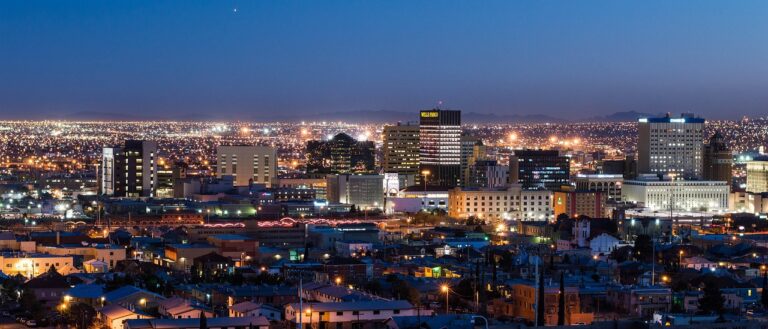



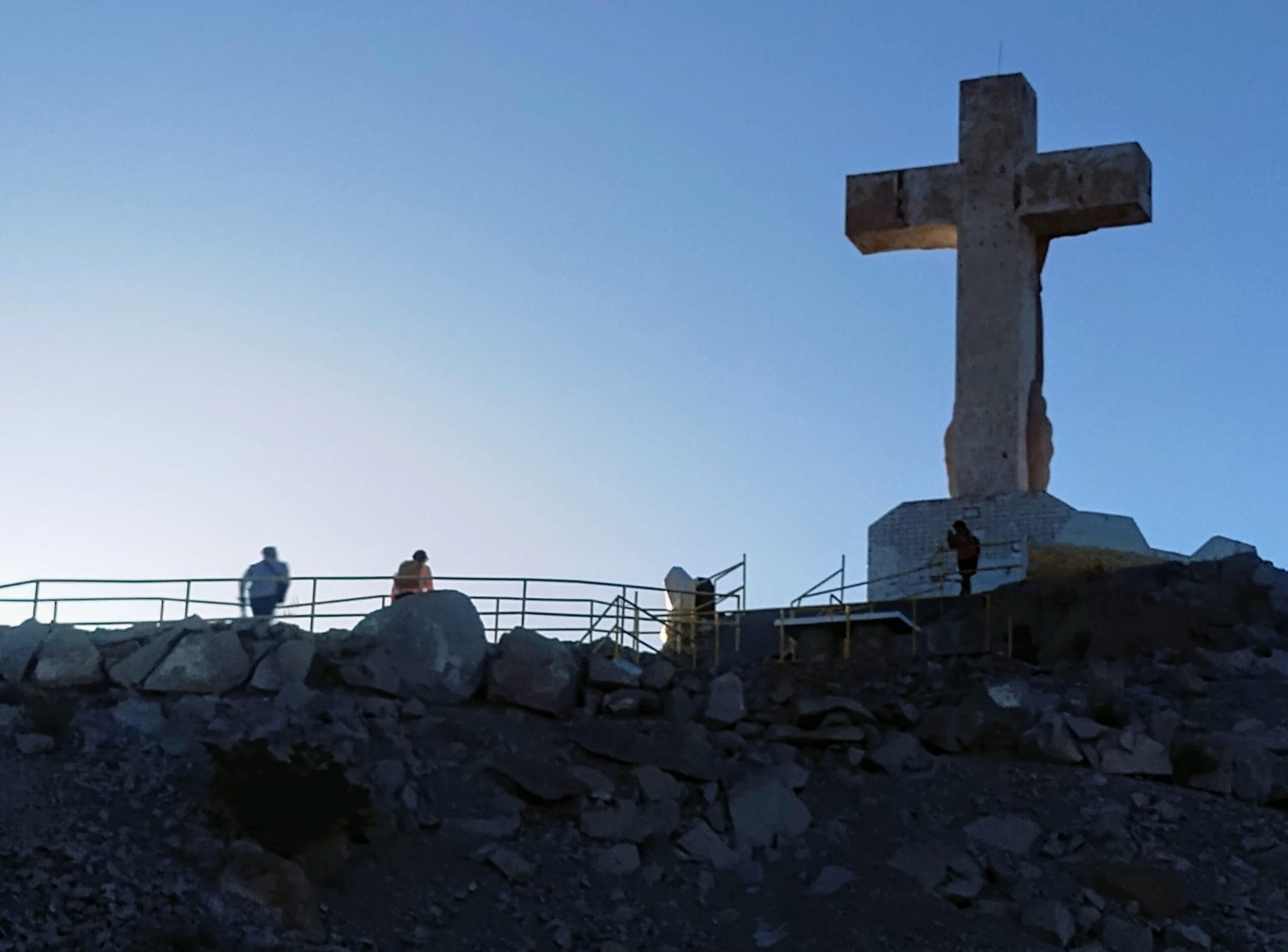
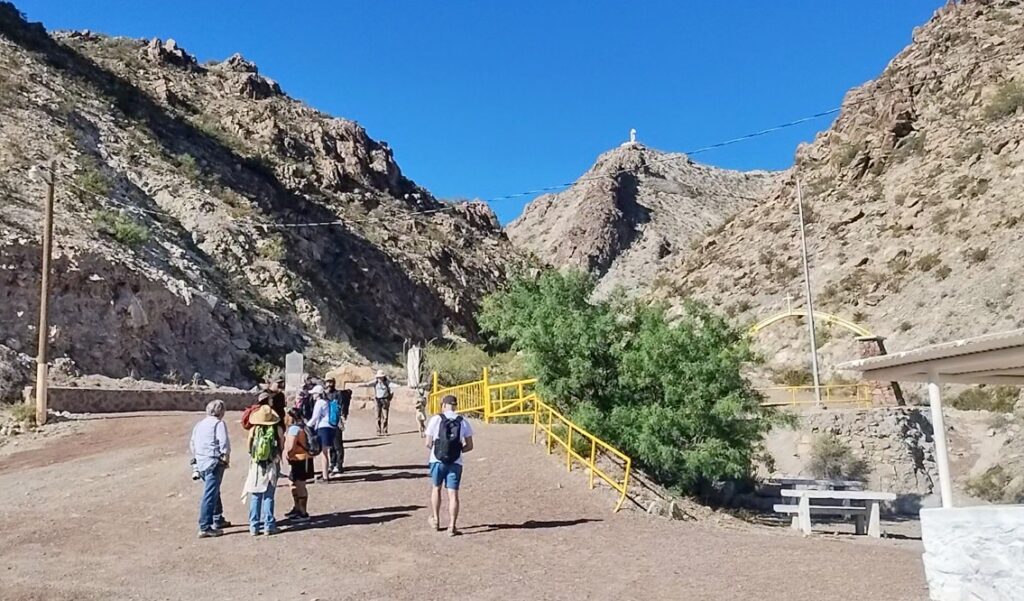
SUNLAND PARK, N.M. – A group of hikers began the 2.3-mile climb up Mount Cristo Rey as soon as the first rays of sun broke over the horizon. They chatted and took photographs as their feet stepped over sand and rock and their eyes took in the view of two countries and three states along the way.
Some in the group noticed fresh horse tracks halfway up the trail and spotted green-clad Border Patrol agents in the distance.
The mountain straddling the U.S.-Mexico border for years had been a notorious migrant-smuggling corridor with assaults on border agents reported as recently as last December. That’s when a Peruvian man who came over from Mexico assaulted a female Border Patrol agent trying to apprehend him. A year before that, a Mexican man punched and bit a male border agent before fleeing back to Mexico.
But on this warm Saturday morning, safety wasn’t a concern for those bent on reaching the mountain top. In fact, they were soon followed by new groups of hikers – local residents, high school students, families, lone climbers and even children wearing red soccer uniforms. Dozens of vehicles remained safe in a parking area at the base of the mountain.
The difference-makers could be clearly seen from the summit.
In addition to the Border Patrol, soldiers in military vehicles have been patrolling the desert west of the mountain. The Department of Homeland Security says illegal entries are down 95 percent since 2024 and a new steel bollards barrier is on schedule to be built just south of Mount Cristo Rey.
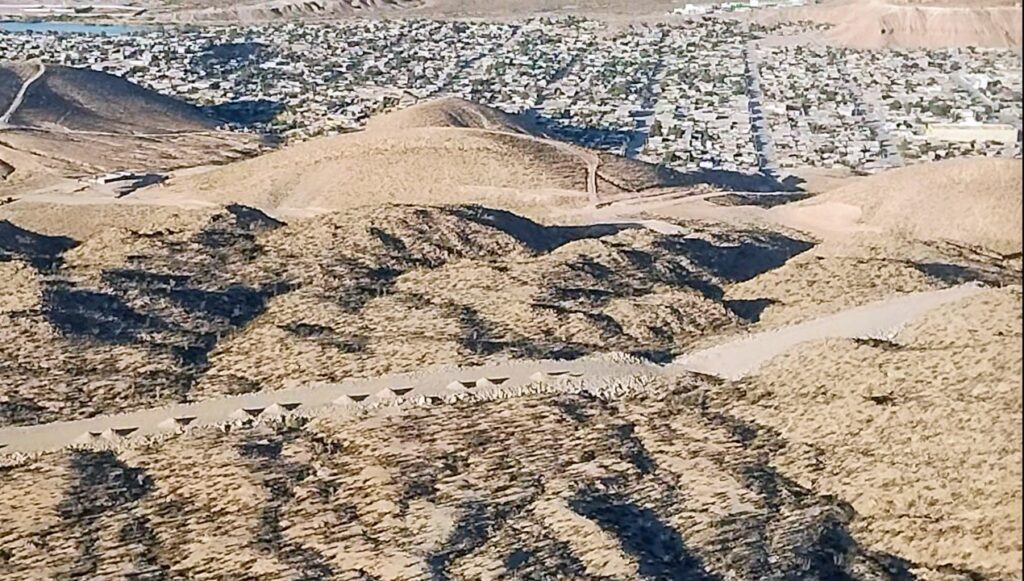
A new service road could be observed from the top of the mountain, along with some trucks and mounds of construction material. The barrier hasn’t gone up yet and activists from Texas and New Mexico hope it never will. They say it will block wildlife migration and hurt the environment.
Residents who’ve witnessed illegal migration for decades – sometimes calling police when migrants run through their yards or fall from existing border barriers and get hurt – remain divided on the issue or are even unaware of what is going on behind the mountain that hosts annual pilgrimages to the shrine of Christ the King.
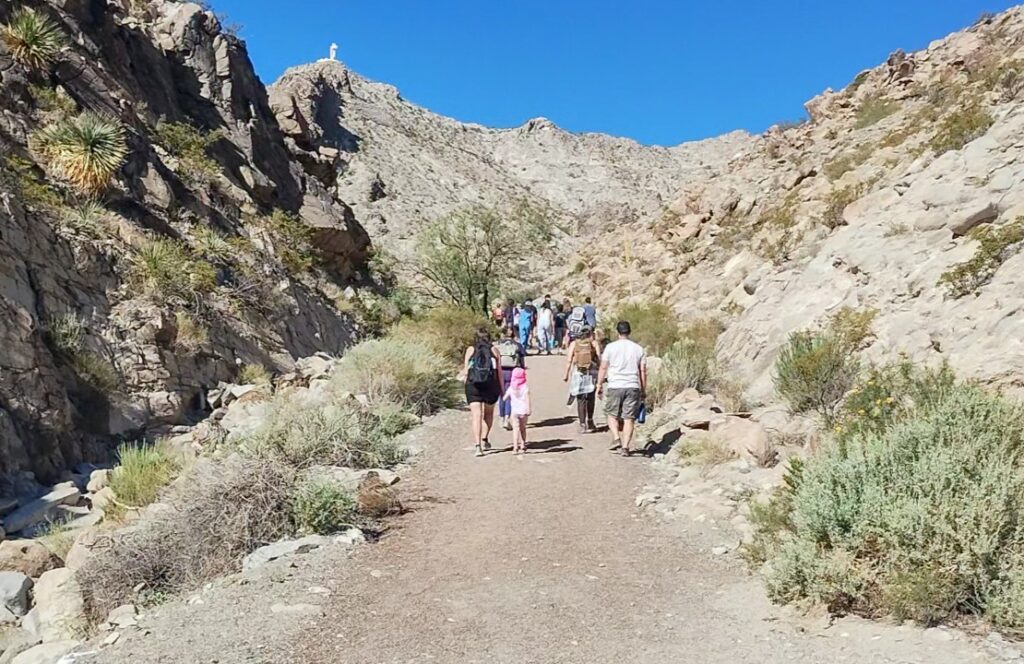
But for now, they feel safe once again doing the climb. Some even bring their children.