
DALLAS – In El Paso we call them pulgas or flea markets. In Dallas they are bazaars. They consist of row after row of vendors hawking anything from cowboy hats to Mexican soccer jerseys to used electronic devices and kitchen appliances.
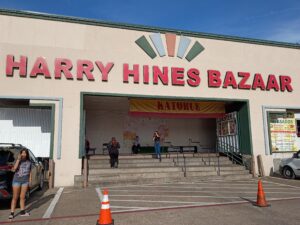
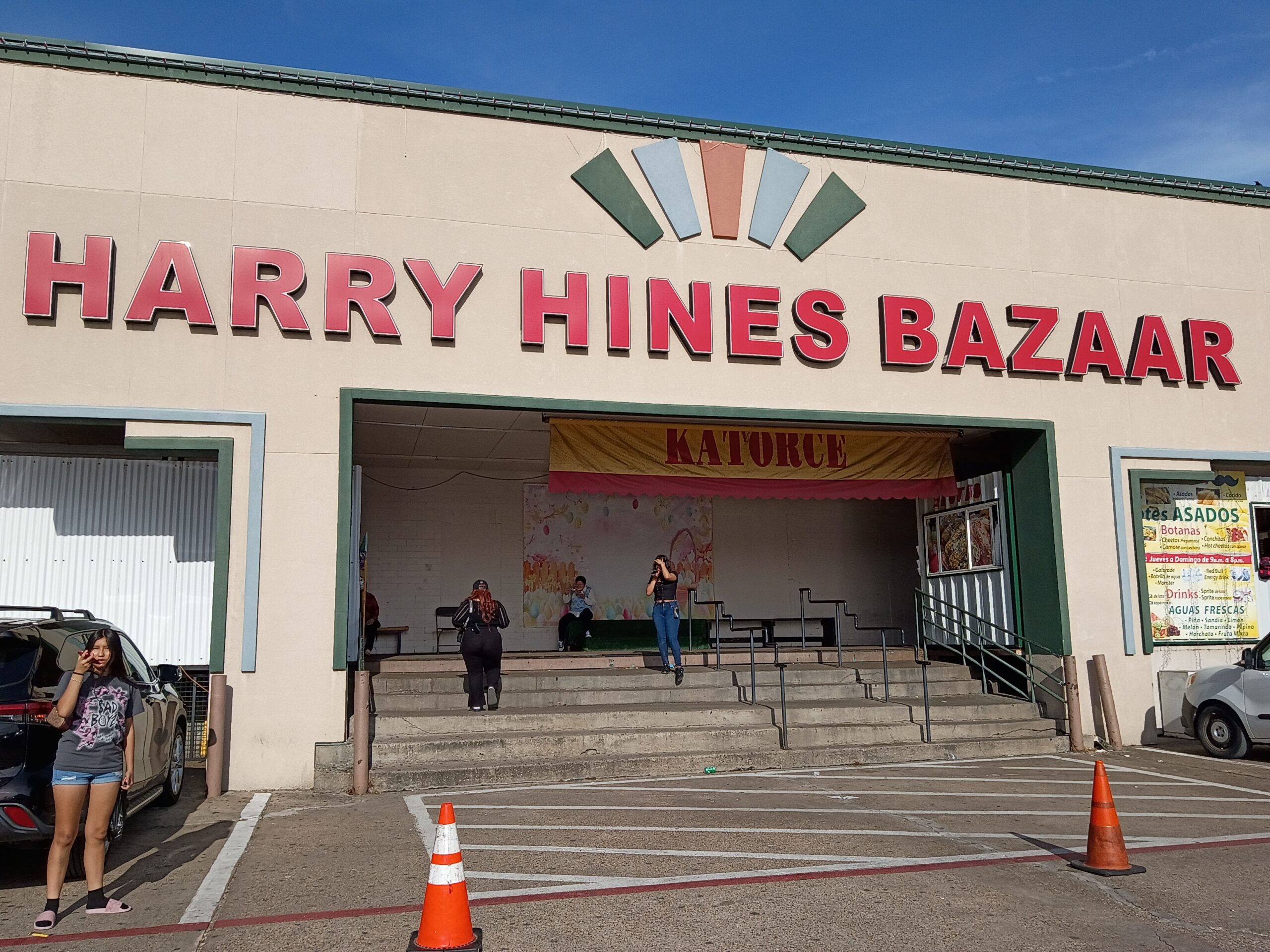
They can be outdoor venues like Traders Village in Grand Prairie or huge indoor markets like the Harry Hines Bazzar in northwest Dallas. And in the past two decades, they have become a sort of meeting place for Latino families and a showcase of Hispanic culture.
On a recent morning, the parking lot was at capacity and music blared from loudspeakers as soon as you walked into el bazar on Harry Hines. Two girls pressed their parents to buy them Mexican paletas (lollipops) from a stand while their little brother checked out colorfully pained wrestler action figures.
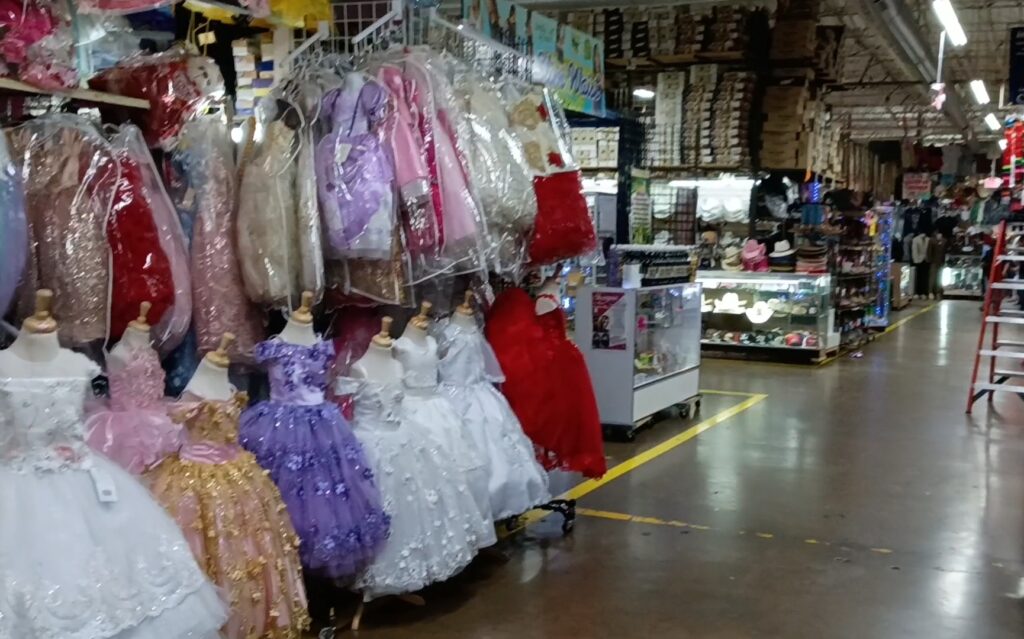
Moms and their teenage daughters casually eyed elaborate quinceañera dresses and young men hovered around stalls packed with soccer jerseys. In Dallas, the red-and-white stripes of Las Chivas (the iconic Guadalajara soccer team) is always a favorite, but the yellow of rival America was well displayed, too.
It used to be you could haggle with the vendors over prices, but seems that’s a thing of the past now. Still, I was able to get an “official” green Mexico national team soccer jersey for $25 – a bargain, they told me.
In an age of streaming and smart phone entertainment apps, vendors here still peddle $5 DVD movies and I even walked past a box with old VHS tapes.
There’s no food court, per se, but various establishments manage to accommodate folding tables and benches for patrons, while roving musicians carry a guitar, a violin and a trumpet and offer three songs for $20. The music they play is what people now call Mexican regional.
Fifteen years ago, most vendors and patrons eagerly identified themselves as natives of states like Zacatecas, Guanajuato and San Luis Potosi. Nowadays, the Spanish accents vary. A clerk that sold me a Motorola Android phone cover for $12 was Venezuelan; the customer to my right wore the national soccer jersey of Honduras, with a big “H.”
A close friend once told me going to the bazaars brought back memories of following politicians on campaign in Mexico as they visited public plazas and working-class markets to mingle with the community. “Es ir a darse un baño de pueblo,”he said.
It’s taking in the feel of the community. The bazaars usually operate in daylight hours on weekends.